

“I felt like I was in a work rut. I’d plateaued. It didn’t feel intentional – it felt like I had fallen backwards into my own life.”
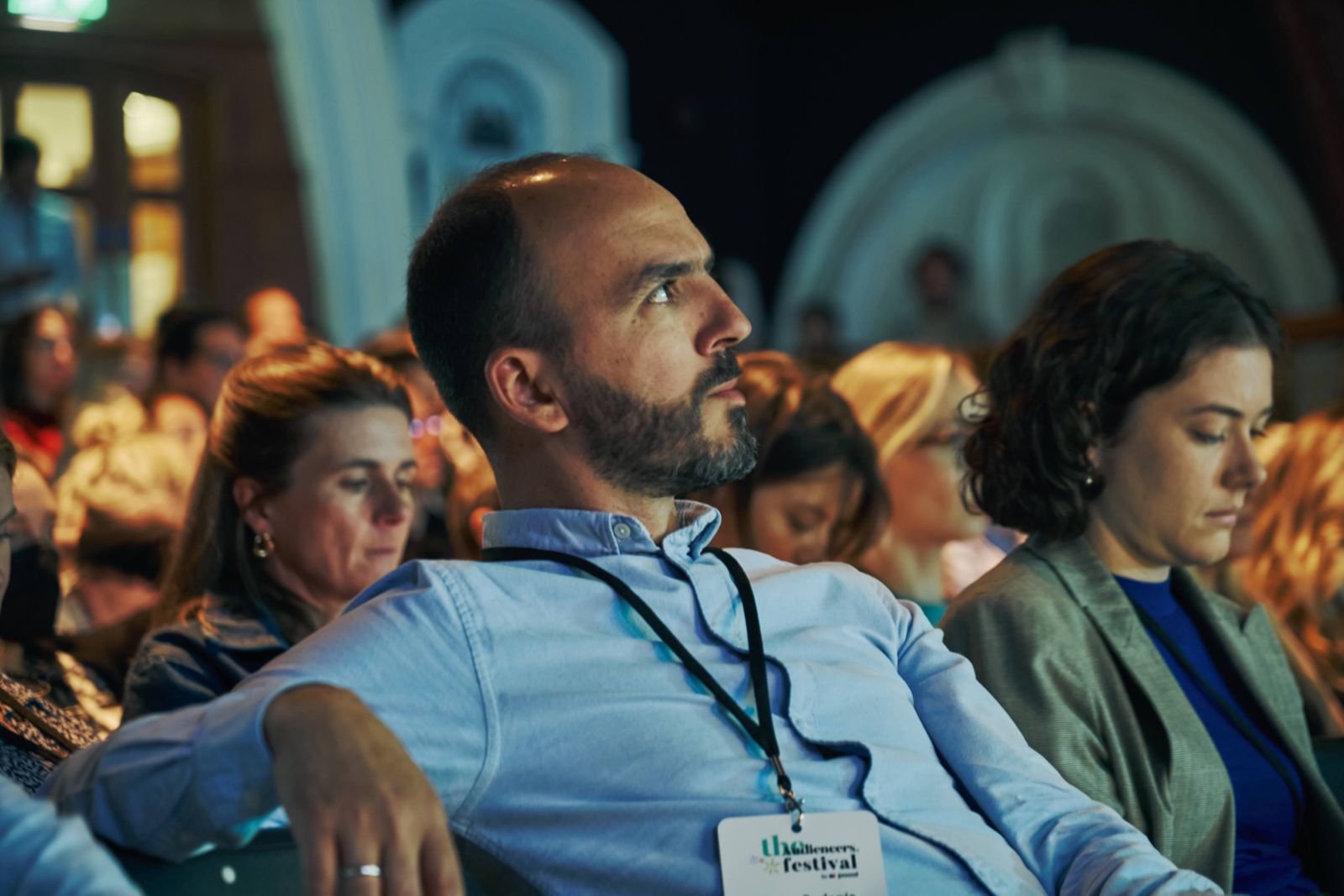
At 38, originally from the US, living in Belgium, and now travelling in Greece with his family. Chris’s life looked adventurous from the outside. A former musician turned COO, a fitness entrepreneur, and a father traveling through the radiant landscapes of Greece. But behind the impressive LinkedIn profile was a quiet, persistent stagnation.
Chris wasn’t looking for a miracle when he signed up for the 2-day Designing Your Life workshop in Amsterdam. He was just tired of drifting. He wanted to feel more intentional about his work.
Why Chris chose Designing Your Life
Chris is the first to admit he wasn’t a “self-help” convert. To him, personal development often felt “wishy-washy“, a distraction rather than a solution.
What broke through his defenses wasn’t a glowing testimonial, but the logic of design. The program – rooted in Stanford’s design thinking – offered a practical way built through defined modules and exercises to deconstruct and redefine with intention a career and an aligned life.
He booked the ticket to Amsterdam with a simple deal to himself: “You’re not here to impress anybody. You’re not here to do anything other than get the absolute most out of whatever this is. Show up. Do the exercises. Do the homework. Ask questions. Treat it like college.” And this mindset successfully worked.
What surprised him the most
Designing Your Life gave him the chance to face those questions that usually feel uncomfortable: “What are the roadblocks? What’s the narrative I’ve been stuck with about how I got here and where I’m going? And what’s a different way to look at it?”
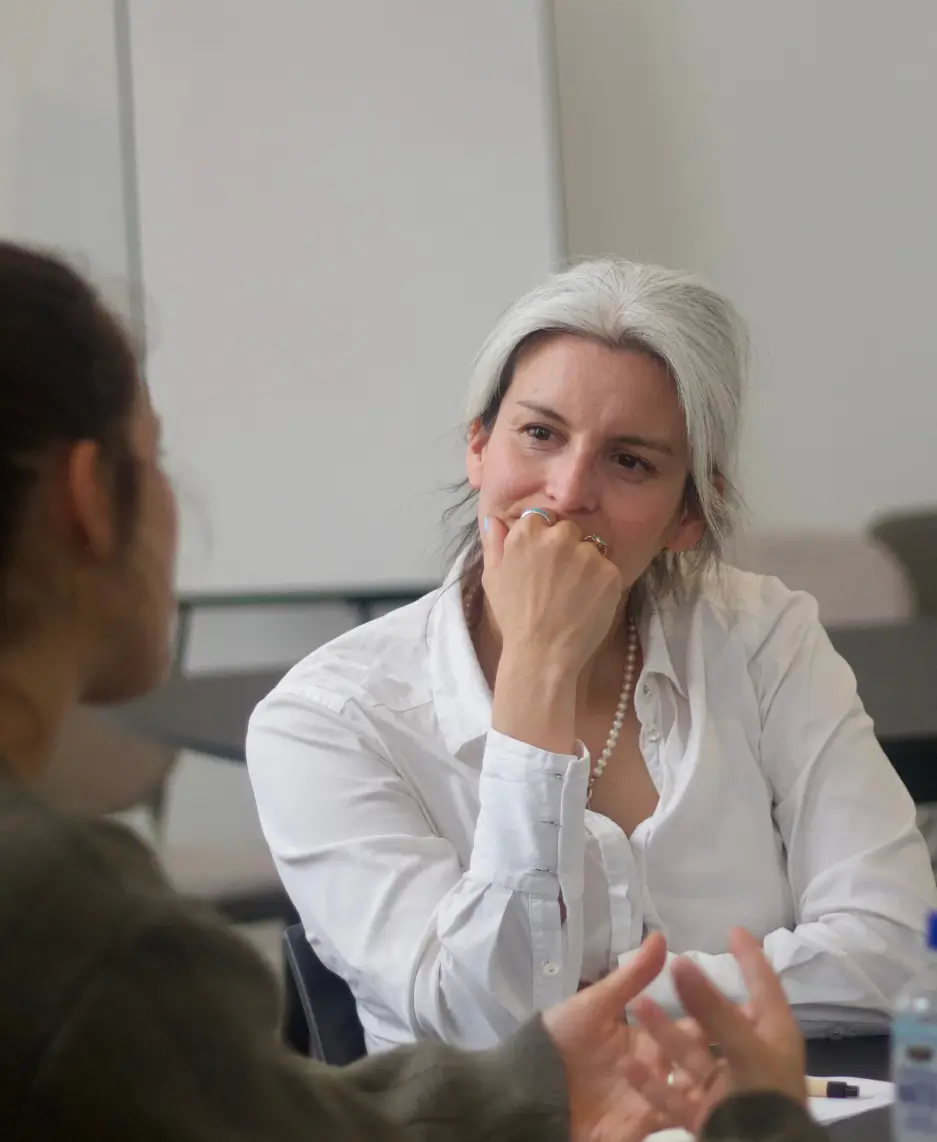
Chris especially appreciated the workshop environment. It immediately felt fluid, human. In his words: “It felt like a breathing thing”. The community was another revelation: people close to retirement, corporate professionals, entrepreneurs, and creatives. A varied group with a common aspect: each carrying their own questions about work and meaning.
Two moments of the workshop particularly redefined his perspective:
- The “No bad ideas” Brainstorm: Using the collective intelligence of the room allowed him to see his problems under a different light. “Suddenly, the ‘roadblocks’ I thought were permanent walls turned out to be just hurdles.”
- The Tree of Life: Mapping out his core values and the main characters in his story. It wasn’t just about work; it was about the ecosystem of his life.
Life after the workshop: From Planning to “Micro-Prototyping”
Chris did not change career overnight, but he found the tools to redefine his concept of work, a definition that would honestly resonate with his values.
He adopted the DYL concept of Prototyping: the art of testing a life change before you commit to it. Today, while living in a “Boundless Life” community in Greece, Chris uses every conversation as a micro-prototype. When he meets other remote workers or entrepreneurs, he doesn’t just ask what they do; he asks: “What do your habits actually look like? How does this way of working actually feel?”
He is no longer guessing about his future; he is gathering data. He imagines himself in different work scenarios and understands where he feels the most accomplished.
A year after that train ride to Amsterdam, Chris’s life looks different – not because he burned everything down, but because he reframed everything. Chris’s story reminds us that you don’t need a miracle to get out of a rut. You just need a better set of tools to live intentionally.